
Concrete Foundations & Footings
The foundation supports everything. We build strong, code-compliant foundations that last.
Your foundation is the most important part of any structure. Get it wrong and you'll fight settling, cracking, and structural problems for the life of the building. Get it right and you have a solid base that supports your investment for decades. Foundation work isn't glamorous, but it's absolutely critical.
At BMT Woodland Concrete, we take foundation work seriously. We follow engineering specifications, understand local soil conditions, and build foundations that meet or exceed code requirements. Whether you're adding a room, building a new garage, or constructing a commercial building, your foundation gets the same careful attention.
Types of Concrete Foundations We Install
Different structures need different foundation types. The right choice depends on your building design, soil conditions, and local code requirements.
Slab-on-Grade Foundations
This is the most common foundation type in Woodland. The concrete slab serves as both the foundation and the floor. We excavate, install a compacted gravel base, place reinforcement, and pour the slab with thickened edges that act as footings. This works well for single-story homes, garages, shops, and additions. Slab-on-grade foundations are cost-effective and appropriate for our local climate and soil conditions.
Stem Wall Foundations
Stem walls create a raised foundation with footings below and a short concrete wall that supports the structure above grade. This works for areas with drainage concerns or when you need a crawl space under the building. We dig footings to required depth, pour and cure them, then form and pour the stem walls.
Grade Beams and Footings
Some structures need individual footings at specific locations connected by grade beams. This is common for pole buildings, pergolas, and structures with engineered load points. We excavate to proper depth, install reinforcement per engineering specs, and pour footings that meet structural requirements.
Why Foundation Work Requires Expertise
Foundation work isn't like pouring a patio or walkway. The stakes are higher. Mistakes lead to structural failure, costly repairs, and safety issues. That's why foundation work typically requires engineering stamps and building permits.
What Makes a Good Foundation
- Proper depth based on soil conditions and frost line requirements
- Adequate width and thickness for the load being supported
- Correct reinforcement placement per engineering specifications
- Quality concrete mix with appropriate strength rating
- Proper compaction of the subgrade and base materials
- Accurate placement of anchor bolts and embedded items
- Appropriate curing time before construction proceeds
We don't guess at any of these factors. We work from engineered plans or use proven designs that meet Woodland building codes. Every footing gets inspected before we pour. Every foundation meets the required specifications.
The Foundation Installation Process
Foundation work requires coordination with other trades and careful sequencing. Here's how a typical project flows:
Planning and Preparation
We review your plans, verify dimensions, and identify any special requirements. Underground utilities get marked. If you need plumbing rough-ins or electrical conduits under the slab, those get coordinated before the pour. We pull the necessary permits and schedule required inspections.
Excavation and Base Work
We excavate to required depths, which varies based on foundation type and soil conditions. The base gets compacted properly. For slab foundations, we install a gravel base. For stem walls, we dig trenches for footings. Everything is verified square and level before moving forward.
Forms and Reinforcement
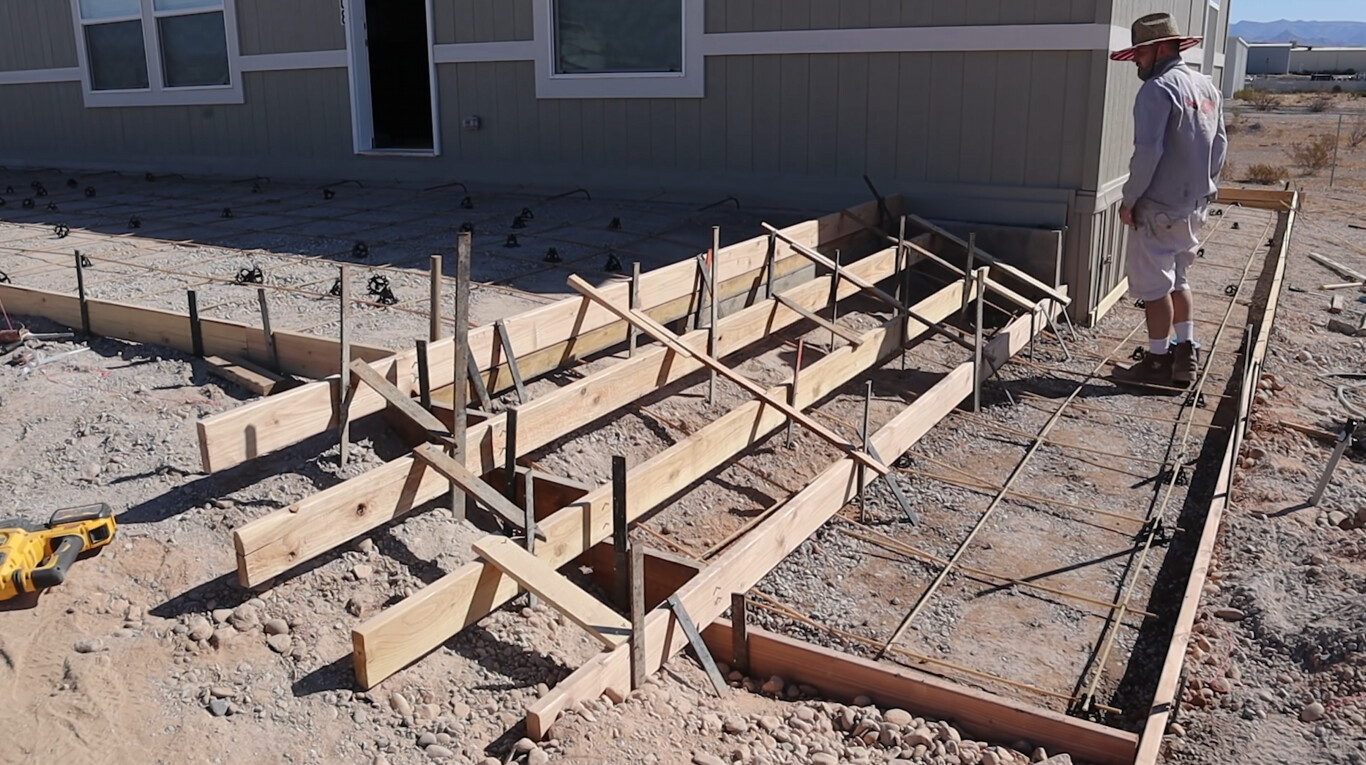
Forms get set to exact dimensions. We double-check everything because once concrete is poured, you can't easily fix dimension errors. Reinforcing steel or mesh gets placed per specifications. Anchor bolts, hold-downs, and other embedded items get positioned accurately. The building inspector verifies everything before we schedule the concrete delivery.
The Pour and Finish
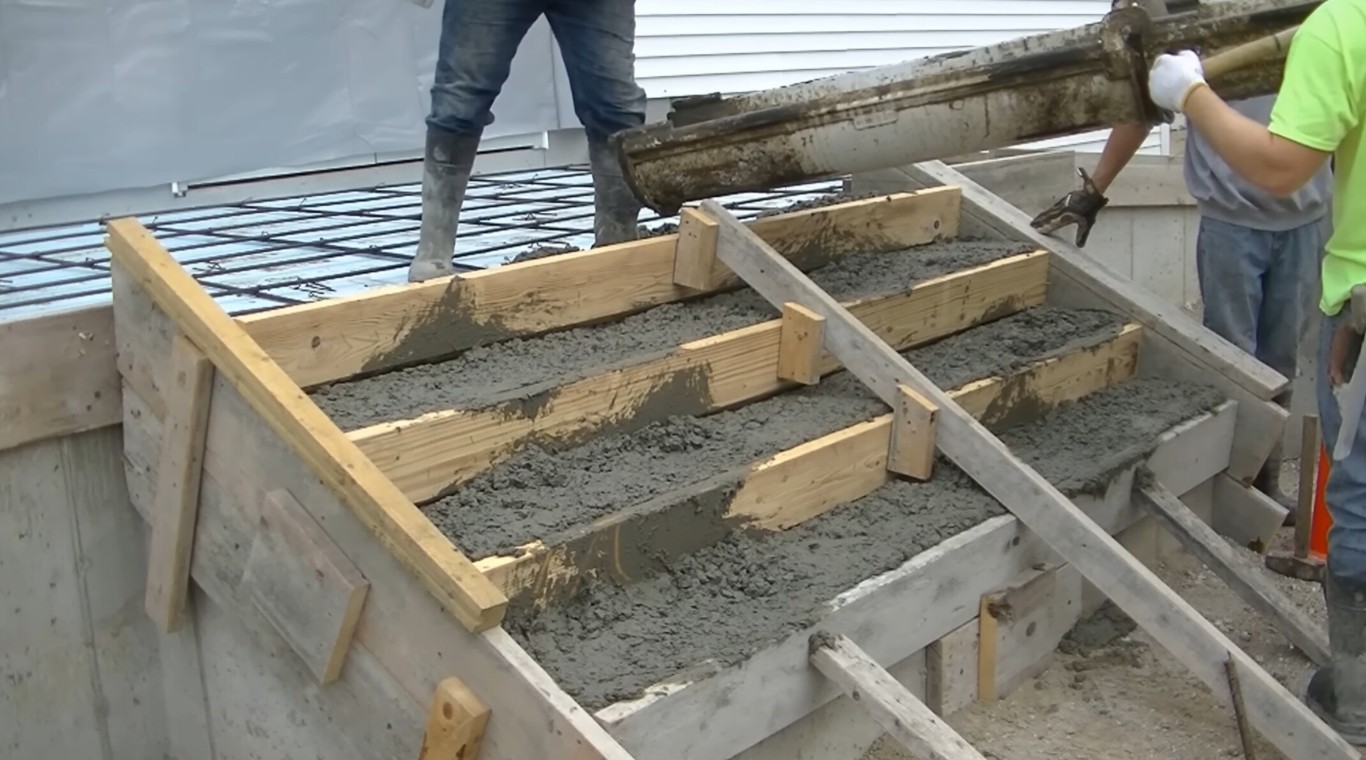
We order the correct concrete mix for foundation work, which typically has higher strength requirements than decorative concrete. The pour happens in a coordinated sequence to avoid cold joints. We vibrate the concrete to eliminate air pockets around reinforcement. The surface gets finished appropriately for its purpose. Proper curing follows to ensure the concrete reaches full strength.
Working with Contractors and Engineers
Most foundation projects involve other professionals. Your architect or engineer designs the foundation. Your general contractor coordinates the overall project. We work as part of that team, communicating clearly and meeting the schedule. If foundation issues come up during excavation, we flag them immediately so the engineer can address them before we proceed.
We also do foundation work for homeowners handling their own projects. In those cases, we can recommend engineers if you need stamped plans, help with the permit process, and guide you through the inspections.
Frequently Asked Questions
Planning a Building Project? Start with a Solid Foundation
Call us to discuss your foundation needs. We'll review your plans, answer questions, and provide an accurate quote for code-compliant foundation work.
(530) 817-8175